
Bone Grafting – Brookline, MA
Rebuilding a Solid Foundation for a Stronger Smile

In many cases when you lose a permanent tooth, you don’t just lose the tooth itself. If not replaced quickly, your jawbone can begin to deteriorate due to lack of stimulation from the missing tooth’s roots. This can make your other teeth vulnerable to drift and tooth loss, and it can dramatically decrease your chances of success with treatment like dental implants. Bone grafting is designed to rebuild your jawbone with either donor or synthetic bone, so that it regains its strength and may eventually be able to successfully accommodate dental implants or other tooth restorations.
Why Choose Royal Dental Brookline for Bone Grafting?
- Experienced, Board-Certified Periodontist on Staff
- Dental Insurance & Flexible Financing Welcome
- Enhanced Dental Technology for More Accurate Comfortable Care
What is a Bone Graft?

A bone graft is a procedure that restores missing bone tissue in the jaw. Typically, it is performed before dental implant surgery, or when bone loss is causing oral health problems.
The goal of this procedure is to increase the volume or density of the jawbone, so that it repairs itself naturally. This is extremely important with dental implants, as the posts must have proper support from the jaw in order to act as replacement roots for your prosthetic teeth.
How Does a Bone Graft Work?
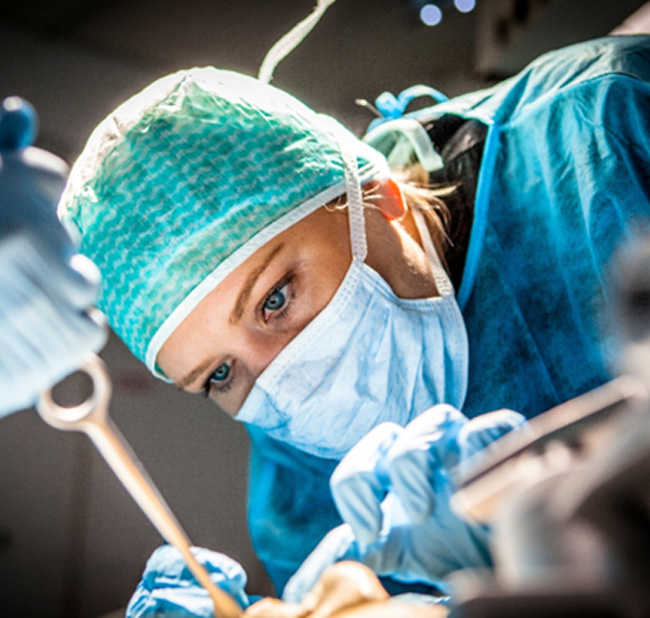
Your dentist will first numb your mouth and then make a small incision in your gums to access your jawbone tissue. After gently moving the tissue to the side, the area will be cleaned and disinfected to prepare for the bone grafting material. The material may come from a donor or synthetic source or may even be taken from another area in your own body. After placement, the area will be covered with a special tissue membrane that will assist with healing, and from there the gum tissue will be closed so the healing process can begin.
Recovering from a Bone Graft

The initial healing period for a dental bone graft takes about one week. However, the graft itself needs at least three or more months to completely heal, or longer for larger grafts.
Typical side effects include tenderness, bruising, and swelling. You may be prescribed antibiotics to help prevent infection, as well as pain relievers to assist with pain management.
Your dentist will provide you with aftercare instructions to assist you with adjusting your diet and lifestyle during the healing process.
It is not uncommon to lose small bone fragments from your surgical site during the first few days of healing.
The great news is that dental bone grafts have an extremely high success rate and are a reliable way to provide a solid foundation when it’s time for your dental implant treatment!